AI and H&S: Future-proofing Organisational Safety
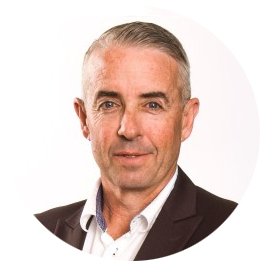
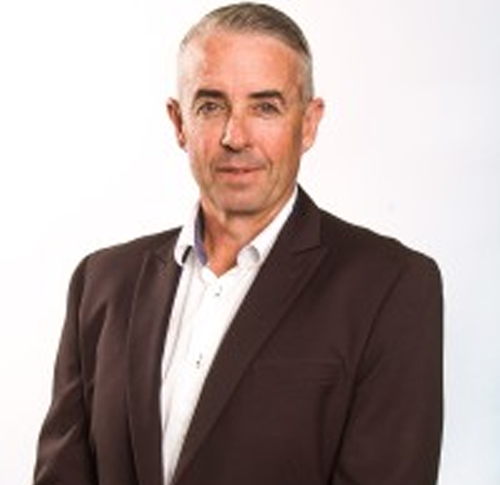
Anton Tyers
GM Safety and People |
Bede Cammock-Elliott
Founder | seeo.ai
Having that AI-generated vision of how close things got was absolutely critical for us. That's where AI enables us to continue that conversation with our staff.
- Bede Cammock-Elliott
About this session
Whether businesses have formally adopted it or not, AI is already reshaping how safety teams design work, train people, and monitor risk. Safety leaders are now weighing how to bring it in without losing the trust of the people it's meant to protect.
In this session, host Craig Bleakley sits down with Nexus Logistics GM Safety & People Anton Tyers and seeo.ai Founder Bede Cammock-Elliott to unpack where AI is actually earning its place in workplace health and safety, backed by a live look at how it plays out on the ground at Nexus Logistics.
The conversation moves into what it actually takes to bring these tools in safely, from consultation and data transparency to automation bias and an employee's reasonable expectation of privacy.
Especially relevant for safety leaders, GMs, and HSEQ professionals looking to move past pilot-stage curiosity and understand what responsible AI adoption actually looks like in practice.
Work as done vs. work as imagined
seeo.ai's computer vision platform catches what's actually happening on the floor: forklifts moving too close to people, workers walking into forklift-only zones, drivers exceeding yard speed limits, and near misses at container access points. The system also weighs how dangerous each event actually is, so teams aren't drowning in low-risk noise and can focus on what matters.
At Nexus Logistics, this exposed a real gap between how work was designed and how it was actually happening on the ground. Painted lines, safe zones and SOPs looked solid on paper, but real-time footage showed how often they weren't holding up in practice.
That gap became the starting point for real engagement. Instead of mopping up after an injury, the footage opened direct, specific conversations with staff about how close things had actually gotten, long before anyone got hurt.
Bringing AI in without losing trust
The upside of tools like this comes with a harder question: how do you introduce this kind of monitoring without it feeling like surveillance? The answer keeps coming back to one idea: consult, consult, consult. Being upfront about what's being captured, how long it's retained, and why is what keeps staff on side.
A few principles worth carrying into any AI rollout:
- Change the work, not just the worker. If a behaviour keeps showing up on camera, the first question should be what about the task is causing it, not just who's doing it wrong.
- Use the data as a carrot, not a stick. The moment footage gets used to discipline first and engage second, trust breaks down fast.
- Respect the line on privacy. AI has no business tracking break times or toilet breaks. It belongs in spaces where safety risk actually lives.
- Watch for automation bias. A system is only as good as what it's trained to see, and leaning on it without question can let real risk slip through untouched.
Key takeaways from the session
1. Having the data changes nothing on its own
The value isn't in capturing footage, it's in what gets done with it. Regulators have made it clear that sitting on evidence of risk and failing to act on it increases liability, not reduces it.
2. The heavy lift is upfront, not ongoing
Getting a system to understand what counts as high risk for a specific operation takes real setup time. Once it's calibrated, the day-to-day admin drops off fast, especially when flagged events feed straight into existing HSEQ workflows instead of creating a second system to manage.
3. AI still needs to be explainable
If a tool's output is going to inform a disciplinary conversation, the reasoning behind the flag has to hold up to scrutiny. Treating an AI-generated result as unquestionable is its own kind of risk.
Speaker
Anton Tyers
GM Safety and People
Anton has worked in the broader occupational health, safety and wellbeing field for the past 20 years, holding senior roles in Safety, HR, Manufacturing and workplace rehabilitation. He has a particular interest in the use of new and emerging technologies to support safety practices and used Industry 4.0 and AI as the cornerstone for his master’s thesis.
At a practical level, Nexus logistics has embraced AI-supported tools in behavioural safety and continues to look for ways to lead technology-supported risk management in their industry.
Bede Cammock-Elliott
Founder | seeo.ai
Bede is a Technology Entrepreneur and Founder of seedigital (an advanced electronic security integrator) and lately of seeo.ai. seeo (the Latin for to KNOW) is an AI-driven computer vision platform that assists organisations to ‘know’ the efficacy of their critical risk controls.
Prior to his entrepreneurial adventures, Bede worked as a Change Management Consultant in Europe & New Zealand in a variety of industries. He is a published author in the UK and Brazil.
ecoPortal past webinars
Learn the latest and greatest health and safety strategies from global industry leaders.

Our Partners
We partner with a range of innovative health and safety organisations to bring you expert insights into the most pressing topics concerning health and safety today