Insights from Whakaari White Island: Key H&S Lessons And The Unanswered Questions
Richard Gibson
Director and Risk Consultant |
“The higher the consequences, the lower the likelihood needs to be for that risk to sit in a tolerable range.”
— Richard Gibson
About this session
Nearly seven years after the Whakaari/White Island eruption killed 22 people and seriously injured 25 more, the case remains one of New Zealand's most significant health and safety prosecutions. Five parties were found guilty and ordered to pay $10.21 million NZD in reparations, though the legal story hasn't ended there.
In this session of the Safety Voices webinar series, host Craig Bleakley sat down with Richard Gibson, a risk consultant who served as an expert witness for WorkSafe NZ throughout the trial.
Richard walks through why so many charges against operators, regulators and directors were dismissed, and uses the case to unpack a much harder question every organisation running high-consequence activities has to answer: what actually counts as an acceptable level of risk, and who gets to decide?
Why the charges didn't stick
Whakaari Management Ltd licensed access to the island for boat and helicopter tour operators, while several other parties, including a government emergency agency and tour booking companies, played a role in getting tourists there. When the eruption killed 22 people, all of them faced scrutiny. Most walked away with charges dismissed.
The reason comes down to how the court read the Health and Safety at Work Act: duties to others must come from work activity, not the work product itself. That single distinction shaped the whole outcome.
Who walked, and why:
- Tour booking companies – weren't managing a physical workplace on the island, so no duty applied
- National Emergency Management Agency – same reasoning, no workers or workplace on site
- Most officer charges against Whakaari Management's directors – dismissed on a technicality, not because the failures weren't real. The charges simply weren't particularised well enough to meet the legal bar
Only one charge survived: failing to get expert advice on how tours could be run safely.
Richard's take: this narrow reading leaves a gap. A booking company's risk communication can shape what happens on-site just as much as anything physically done there, but the law doesn't currently see it that way.
What "acceptable risk" actually means
Richard puts numbers on a question most organisations avoid: how much risk is too much, and for whom?
1. Audiences consistently accept a much higher annual fatality risk for paid workers than for tourists on a single visit
2. Consequences aren't fixed. It depends on whose lens you use:
- A single helicopter operator is managing risk to 6 passengers at a time
- Whakaari Management, by licensing multiple operators to run simultaneously, was really managing cumulative risk to 50+ people on the island at once
3. The higher the potential death toll, the lower the acceptable likelihood needs to be for that risk to stay tolerable
His conclusion: tolerability isn't a call tourists can make well, however clear the disclaimer. It sits with the organisation's officers, backed by a real risk appetite conversation, with regulators looped in once the risk becomes societal.
Key takeaways from the session
1. Duty follows activity, not product. The court's interpretation means parties removed from the physical worksite can escape liability, even when their decisions affect what happens there. Organisations working through supply chains or booking intermediaries should assume the law hasn't caught up to that reality yet.
2. Scale changes the risk band. The consequence of an incident isn't fixed. It depends on whose perspective you're using; a single operator's risk profile looks nothing like the cumulative risk a site controller carries once several operators are active on the same asset.
3. Tolerability is a leadership decision, not a disclaimer. Giving people information about risk doesn't mean they can meaningfully assess it. Officers need to own the tolerability call and back it with a real risk appetite discussion, not a waiver.
Speaker
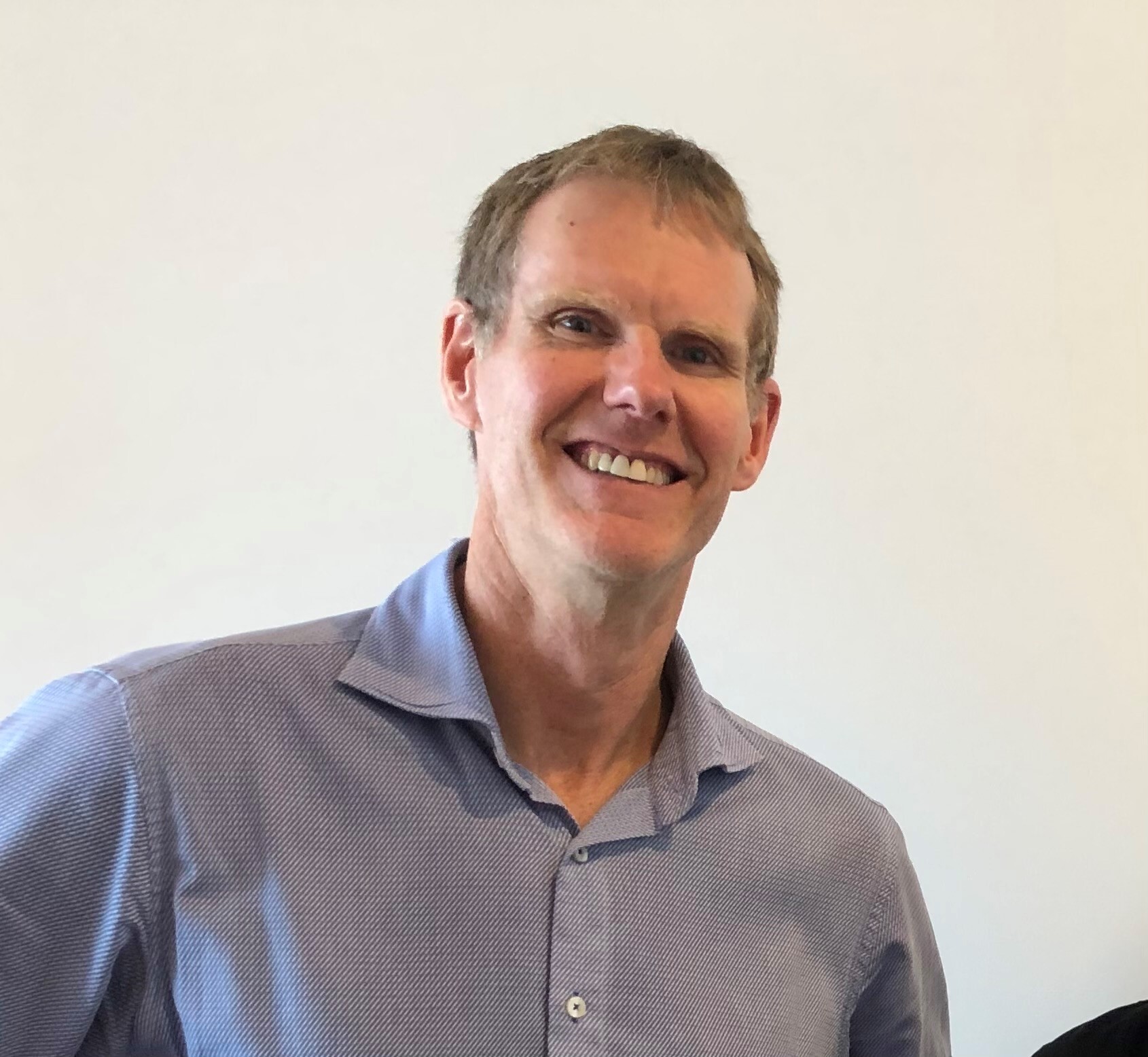
Richard Gibson
Director and Risk Consultant
Richard started his H&S career in 1993 while completing his master’s examining attitudes towards safety. He was a founder director of Impac, growing its consulting, training, and software business areas. He has worked with many of New Zealand’s largest companies and government departments, and has been engaged by Regulators (CAA, WorkSafe) to help with the determination of “reasonable practicable” controls after several significant events.
ecoPortal past webinars
Learn the latest and greatest health and safety strategies from global industry leaders.
Our Partners
We partner with a range of innovative health and safety organisations to bring you expert insights into the most pressing topics concerning health and safety today