.png)


On September 9, 2026, more than 300 health and safety leaders packed Auckland's NZICC for ePIC 2026 to get answers to an important question: what if we stopped managing safety and started leading it?
Back at its third edition, this year's event took on the theme Safety Rewired: Transforming H&S through Care, Leadership, and Technology, with eight speakers spending the day making the case for what that actually looks like in practice.
The calibre of conversation in that room stood out, from our own ecoPortal team to the clients, partners, and guests who filled every seat. People brought sharp questions and honest experience in equal measure, and it made for a genuinely engaged crowd.
.jpg?width=2768&height=1848&name=ePIC26-52%20(1).jpg)
MC Craig Bleakley was a presence throughout, but his opening remarks did the real work of setting up what was to come: a day built less like a lineup of talks, and more like one story unfolding in chapters.
Let's explore some of the highlights brought by each one of our speakers and the lessons we can take from them.
Compliance isn't the same as safe
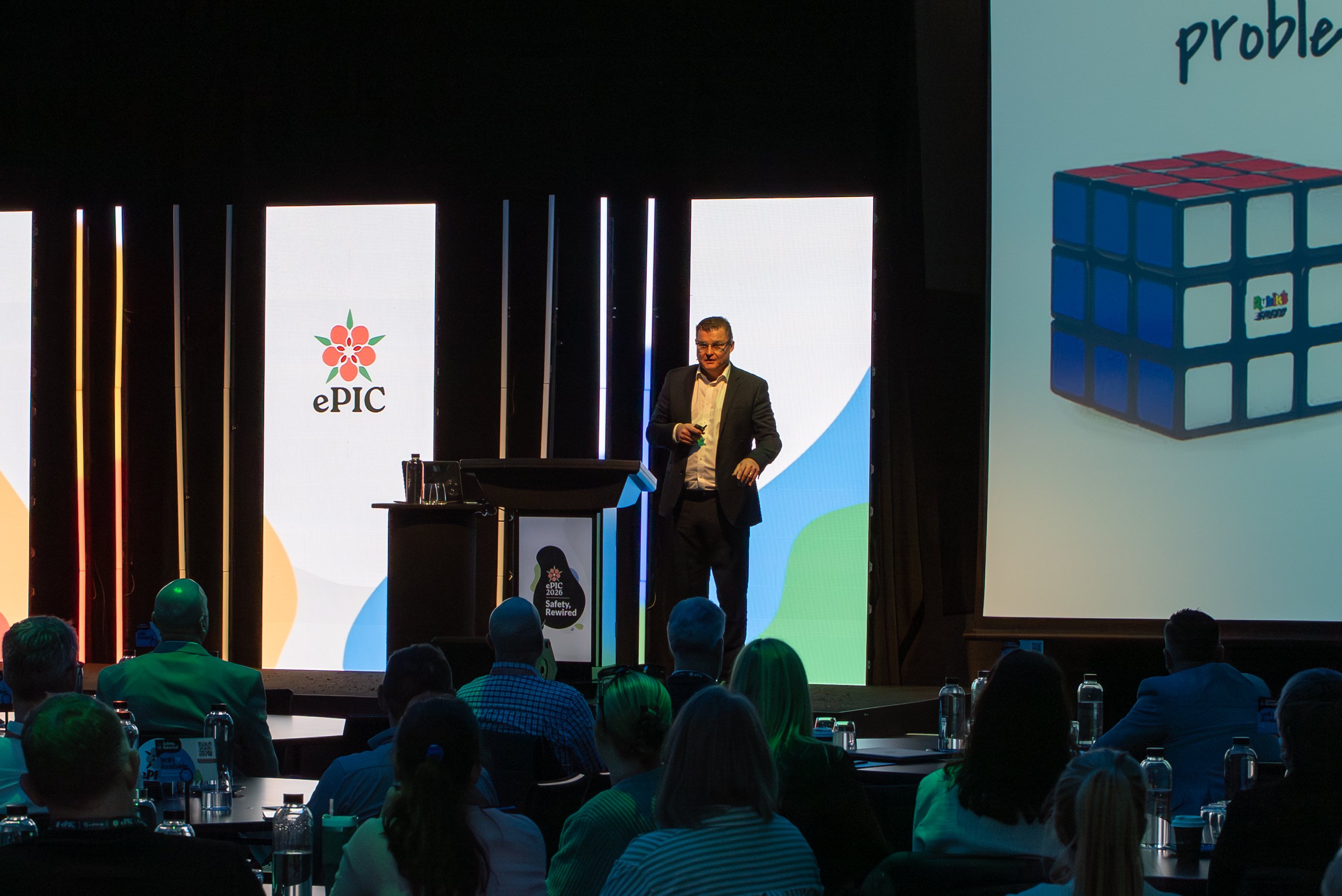
For decades, the industry has measured safety by the thickness of a folder: policies written, forms filed, audits passed.
Greg Smith opened the day by challenging that entirely, drawing on two decades spent in courtrooms after things went wrong for some of Australia's largest employers. He'd seen first-hand what all that paperwork was actually protecting, and it often wasn't the worker.
A safe work method statement signed by ten people doesn't mean the job is understood, or done safely, on the frontline. His argument was direct: leaders need to leave the boardroom and go verify that safety controls are actually working on the ground, not just documented as if they are.
What actually moves the needle
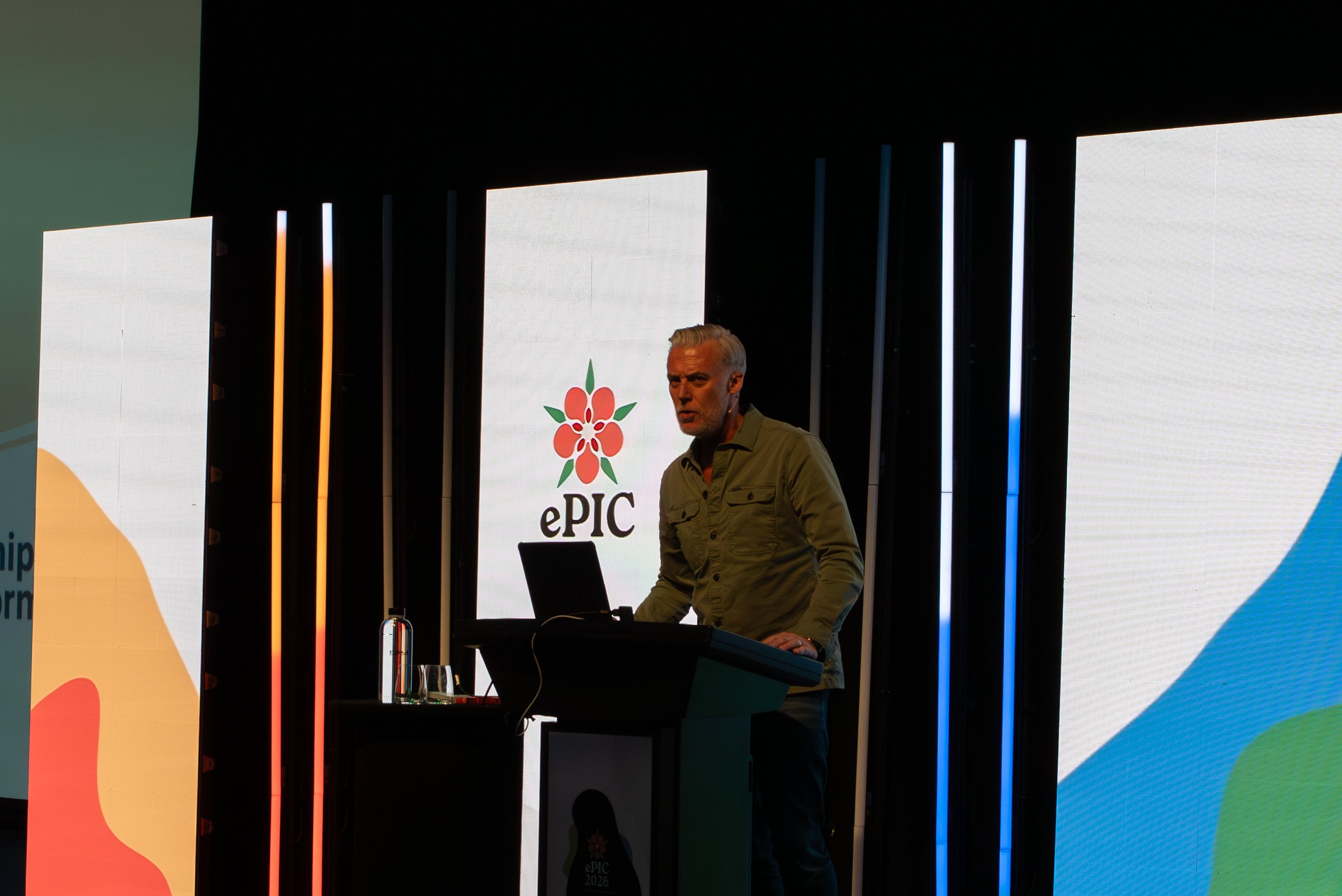
If compliance hasn't moved the needle, what does?
Dr. Andrew Sharman answered with a sobering statistic: globally, one person dies from work-related causes every 10 seconds. The absence of accidents is not the presence of safety. His case for real safety leadership rested on four behaviours: humble enough not to know, curious enough to ask, patient enough to listen, and brave enough to act.
Making the safest way the easiest way
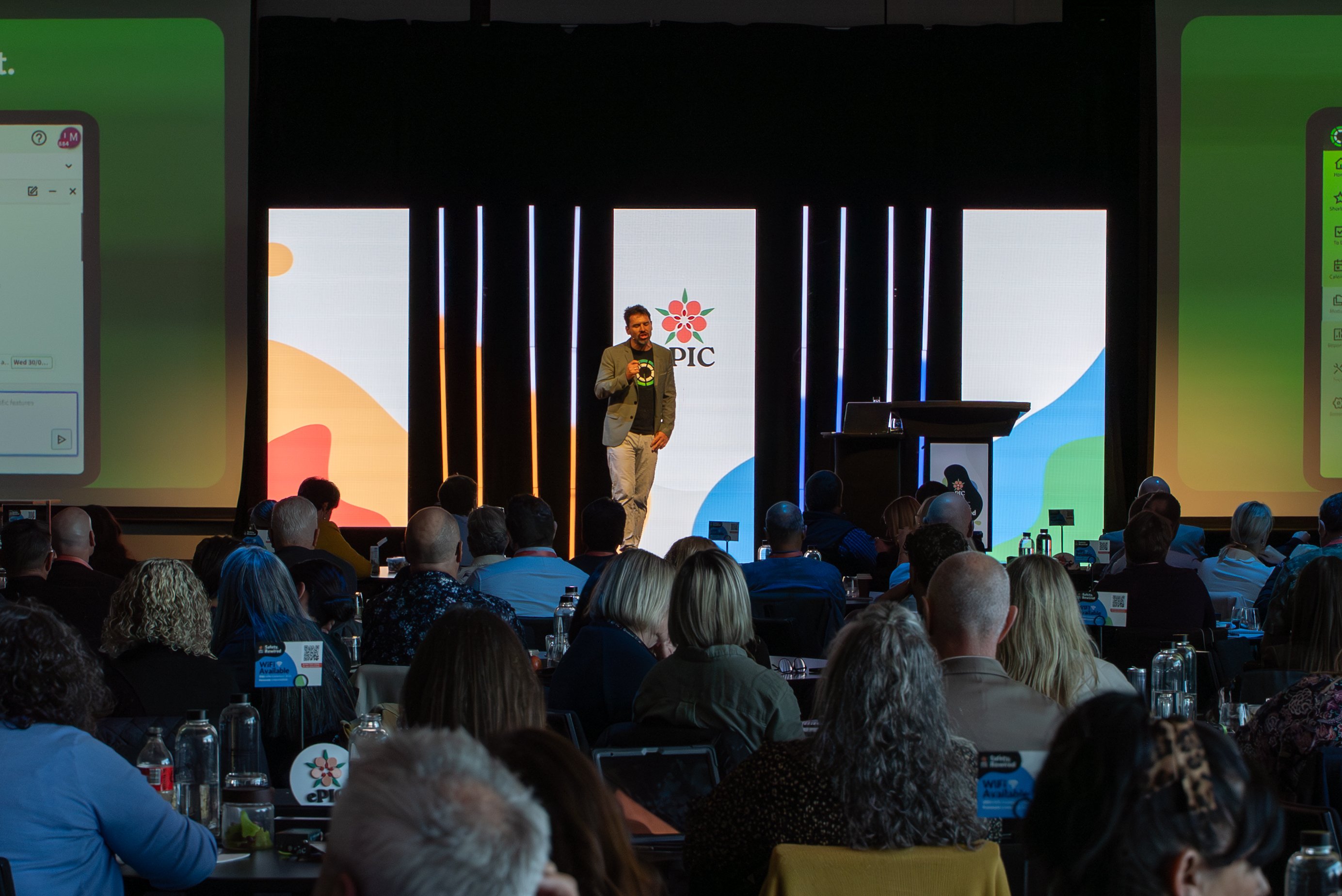
Between sessions, Dr. Manuel Seidel, founder and CEO of ecoPortal, picked up that thread with a live look at how ecoPortal is closing the gap between engagement and action.
Frontline workers don't skip reporting because they don't care. They skip it because long forms and clunky systems create too much friction. His answer: make the safest way the easiest way, using conversational AI so reporting a hazard is as simple as sending a text. It's not a product pitch so much as a glimpse of what happens once the admin gets out of the way.
When safety earns a seat at the table
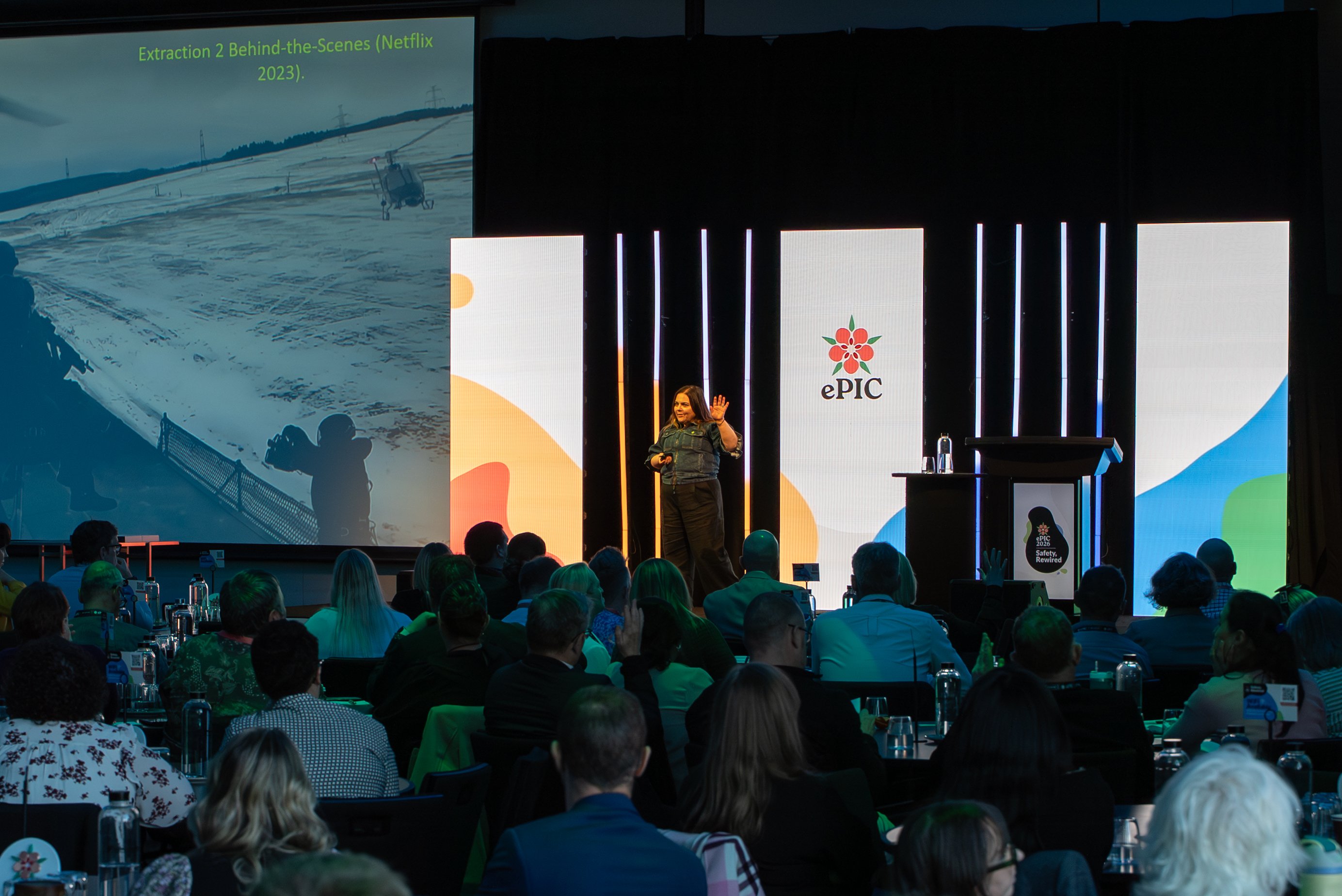
Engagement is the goal, but what does it look like under real pressure? Dr. Megan Tranter has built a safety culture inside Netflix, Amazon, and PepsiCo, and she brought the room practice, not theory. Her message was that safety leaders need to stop acting as gatekeepers who default to "no." When they start collaborating with executive decision-makers instead, safety earns the trust it needs to become a genuine business value.
Tearing down the safety theatre
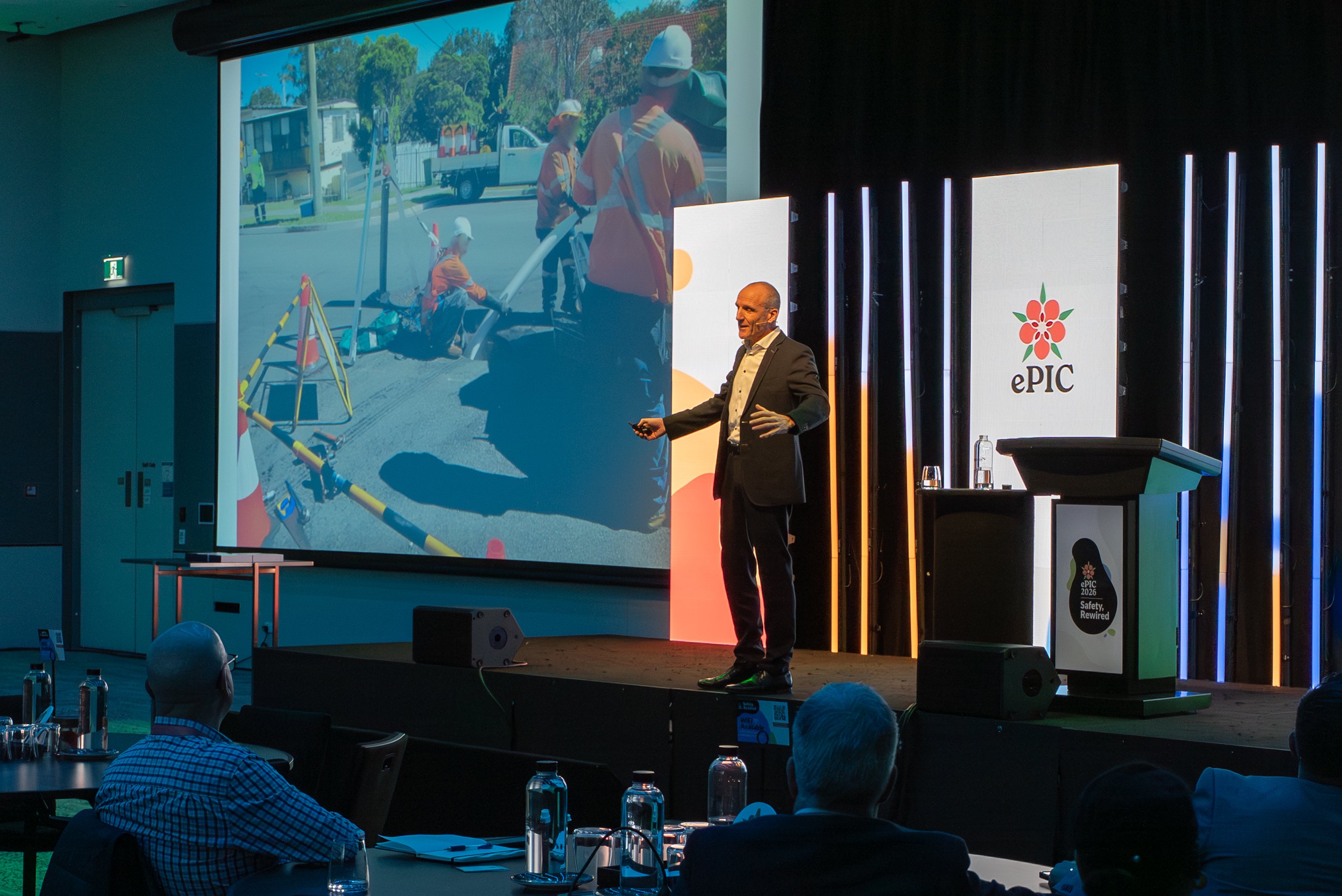
Professor Sidney Dekker took the room somewhere most safety conferences don't go, and it was one of the most talked-about sessions of the day. He challenged leaders to dismantle the "safety theatre" that keeps management isolated from the ground floor. Real culture isn't built on green dashboards or 600-page manuals. It comes from humility, curiosity, and the psychological safety to stop talking and actually listen to the people doing the work.
Turning insight into action
Closing out the day, Andrew Barrett turned everything the room had heard into something to actually use. He challenged leaders to stop being a vending machine for default answers like more training or more paperwork, and instead focus on whaka-mahi, putting ideas to real use on the ground. Three shifts to try tomorrow morning:
- Ask better questions. Swap "Is it safe?" for "What is harder about this job than the procedure implies?"
- Focus on whaka-mahi. Don't lift ideas from a conference and force them into your organisation. Test small, practical actions that reduce friction for workers.
- Embrace "yes, and…". Move away from being an operational blocker. Validate the team's goals first, then work out the conditions needed to achieve them safely.
One story, not a list of speakers
Craig closed the day by tying the threads back together:
- The problem: compliance has given the appearance of safety without always giving the outcome
- The solution: engagement, leadership, and care, three speakers, one argument, safety isn't managed, it's led
- The tech: Manuel's second session showed what that looks like on the data side, using AI to help leaders read what's happening now rather than just report on what already happened
Put together, the case was simple: technology, done right, doesn't replace any of that. It just buys back the time to do it.
The ask for everyone walking out: don't let today become a folder either. Pick one conversation, one habit, one piece of the playbook, and start it tomorrow.
What a way to spend a day. Thank you to Greg Smith, Andrew Sharman, Megan Tranter, Sidney Dekker, and Andrew Barrett for bringing the insight, and to every single leader who filled that room and made ePIC 2026 what it was.
See you at ePIC 2027!
.png?width=352&name=SS6%20Designing%20for%20Error%20(1).png)
.png?width=352&name=How%20to%20De-escalate%20an%20Aggressive%20Customer%20(1).png)