Women Leading Change: Redefining Health & Safety
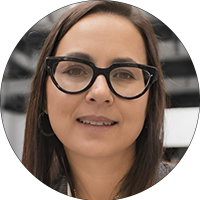
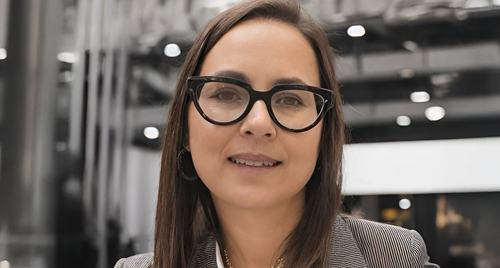
Deborah Douglas
Health and Safety Lead | ASB
Nicola Knobel
Head of Safety, Risk and Assurance | Plunket
Kristy Nicholson
Head of Work Health and Safety | Lockton
Real disruption in health and safety won't come from ticking boxes. It's gonna come from people who are bold enough to ask, what if we did this a little differently?
- Nicola Knobel
About this session
Compliance has always been treated as the ceiling of safety. Meet the standard, tick the audit, move on. Three leaders on this panel argue it should be the floor, the starting point a workplace builds up from, not the target it's aiming for.
In this session of the Safety Voices webinar series, host Craig Bleakley brings together Deborah Douglas, Nicola Noble and Christy Nicholson to talk through what it actually takes to shift a safety culture from control to care, why emotional intelligence in leadership has been defined too narrowly, and what meaningful sponsorship for women in the industry looks like when mentorship alone hasn't been enough.
From compliance to culture
Nicola's framing sets the tone for the panel: compliance has been allowed to be the ceiling of safety for too long, when it should only ever be the floor. Meeting a standard is important, but it's a starting point, not a destination.
The shift happens when safety stops being a checklist and becomes something people feel ownership of. At Plunket, that meant rooting safety language in the organisation's own values rather than borrowing generic frameworks, so people could see themselves in it. Deborah described the same instinct at ASB, translating ISO 45001 out of compliance-speak and into what it actually means for the people doing the work, and bringing health and safety reps directly into board conversations so their insight carries real weight, not just symbolic presence.
The common thread: culture isn't transferable between organisations. What worked at Plunket wouldn't map onto ASB. It has to be built from how people actually experience risk, harm and belonging in that specific workplace.
Emotional intelligence, defined too narrowly
Nicola pushed back hard on how leadership emotional intelligence usually gets described: reading a room, picking up social cues, being warm and charismatic. That definition quietly excludes people who lead differently; neurodivergent colleagues who spot patterns in data long before anyone else notices, or whose care shows up as precision and consistency rather than small talk.
Deborah's view lands in a similar place from a different angle: this isn't really a gendered skillset. It's leadership 101, and it requires deliberately building both the technical knowledge and the relational skills, regardless of who's doing the leading.
The reframe matters because it changes who gets recognised as leadership material in the first place, and what a health and safety culture ends up designed to protect.
Key takeaways from the session:
1. Compliance is the floor, not the ceiling
Meeting the minimum standard is the starting point, not the goal. Culture is what happens when people feel ownership over safety rather than having it imposed as a checklist.
2. Sponsorship is rarer, and harder, than mentorship
Mentoring teaches; sponsorship actively opens doors. Panellists agreed organisations have plenty of mentorship programmes and almost no deliberate sponsorship ones, and that gap is where advancement often stalls.
3. Disruption doesn't have to be loud
Challenging the status quo can look like persistence, asking uncomfortable questions, or simply staying in the room when leaving would be easier. It becomes sustainable when people support each other through it rather than pushing alone.
4. Listening is the most concrete form of support
Asked what male leaders can do for young women entering the field, all three panellists converged on the same answer before anything else: listen, stay patient, and challenge your own assumptions about what someone else's experience looks like.
Speakers
Deborah Douglas
Health and Safety Lead, ASB
With 16 years of experience in QHSE across high-risk industries, Deborah is a leader in employee safety, regulatory compliance, and strategic risk management. Her background spans banking, steelmaking, logistics, oil and gas, and her role as an Innovation Lead at WorkSafe NZ.
Passionate about human-centred design, she applies innovative approaches to integrate health and safety into business as usual. She excels in building relationships, driving engagement, and delivering impactful presentations.
Believing that people are the solution, Deborah creates spaces where individuals thrive, helping organisations Do Differently, Do Better, Do Together.
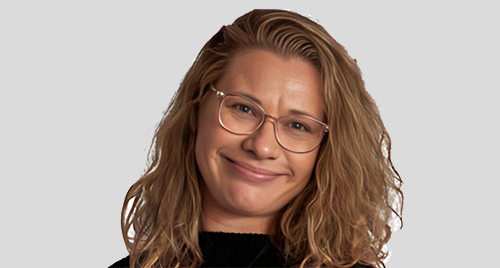
Nicola Knobel
Head of Safety, Risk and Assurance, Plunket
Nicola is a highly accomplished Health, Safety, and Strategic Risk Manager with over 18 years of experience across industries such as oil and gas, education, and innovation. Currently completing a Master of Laws, she is focused on humanizing Health and Safety law to create more practical, people-centered outcomes.
Known for her strategic leadership, Nicola brings a unique mix of influence, innovation, and a holistic approach to safety. She is passionate about fostering connection and well-being in workplaces, ensuring that compliance and regulation go beyond checkboxes to drive meaningful change. With a strong track record of excellence, she combines deep expertise with a forward-thinking mindset to shape a safer, healthier, and more effective work environment.
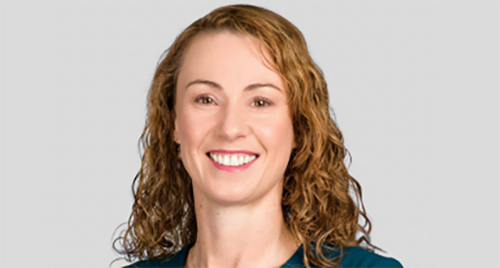
Kristy Nicholson
Head of Work Health and Safety, Lockton
Kristy Nicholson is an experienced safety consultant who leads the Work Health & Safety Practice at Lockton in Australia.
An expert in workplace safety and certified lead auditor, Kristy specializes in designing and developing safety management systems, auditing, safety strategies, behavioural safety and workplace risk management to support clients in achieving their safety performance goals.
Kristy is highly skilled in understanding client needs and creating and delivering tailored client solutions across safety and psychosocial risks to support holistic people risk management.
ecoPortal past webinars
Learn the latest and greatest health and safety strategies from global industry leaders.

Our Partners
We partner with a range of innovative health and safety organisations to bring you expert insights into the most pressing topics concerning health and safety today