Workplace Fatalities: Understanding the Family Impact and Communicating Better
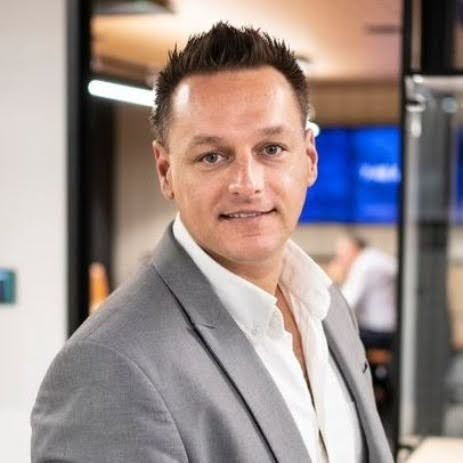
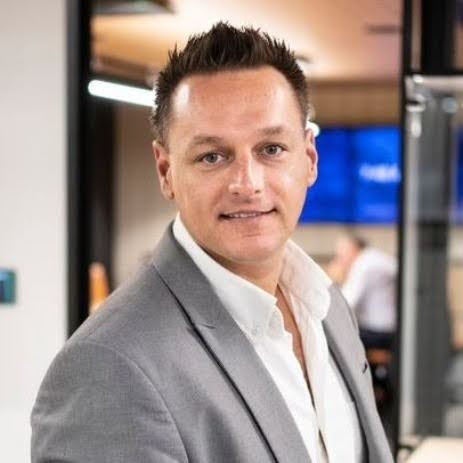
Kurt Warren
Head of HSEQ & Sustainability | Hansen Yuncken
"You can't change what happened. But what you do have the ability to do is control what happens next, and that allows you to control the narrative"
— Kurt Warren
About this session
In 2025, 178 workers in Australia and around 70 in New Zealand didn't come home from work. Behind every one of those numbers is a family, and most organisations have no idea what to say to them, or what to do once the first few days have passed.
In this session of the Safety Voices webinar series, host Craig Bleakley sits down with Kurt Warren, Head of HSEQ & Sustainability at Hansen Yuncken, to look at what follows a workplace fatality for the people left behind. Drawing on the research behind the Centre for Construction Safety and Well-being and his own experience leading a fatality response, Kurt gets into the real impact on families, how organisations should and shouldn't communicate with them, what genuine support looks like over the long term, and how to make sure the lessons lead to prevention.
The profession's rap sheet
Kurt opens with close to 4,900 workplace fatalities in Australia over the last 20 years. He puts that in perspective by comparing it to roughly nine A380s full of Australian workers lost, and asks what the public reaction would be if that were aircraft.
Every one of those deaths also reaches parents, children, partners, colleagues and communities. Spending, regulation and paperwork are at record levels, yet the numbers have barely moved.
Three ways a fatality reaches a family
Research from the Centre for Construction Safety and Well-being groups the impact into three connected areas.
- Psychological: Prolonged grief and depression, made heavier by the secondary trauma of a legal process that can stretch across several years.
- Social: Relationships with family, clubs and community change overnight, and cultural and religious backgrounds shape what support looks like.
- Financial: The person lost is often the main income. Bills, mortgages and school fees keep arriving while insurance payouts can take years.
Key takeaways from the session
1. Families are left waiting long after the investigation moves on
Most fatality plans are built for the regulator and the lawyers. With a two-year window to prosecute and then time in court, families can spend around four years in limbo, and many still don't know what happened at the end of it.
2. Communication that helps starts with listeningKurt's advice is to ask families what they need and mean it, rather than handing over an EAP number and a script. In his own response, that meant asking a family if they would welcome a memorial on site, walking them through what was known, and helping with their affairs.
3. Genuine support has to be decided before you need itKurt is clear that the impact runs for years, and that an organisation is bound to the family for life. He recommends settling who your legal counsel will be, and what kind of response you stand for, before an incident happens. Insurer-nominated panels tend to favour the fastest, cheapest outcome, which rarely leaves room for the family.
4. Lessons only prevent harm when they leave the file
Most lessons from fatalities stay locked behind legal privilege. Kurt's organisation chose to share what went wrong publicly through an enforceable undertaking, and to fund research through the Centre for Construction Safety and Well-being. Being open doesn't make an organisation more culpable, and it gives the industry something to learn from.
Speaker
Kurt Warren
Head of HSEQ & Sustainability at Hansen Yuncken
Kurt Warren is an enterprise health, safety, and risk executive with 25+ years' leadership across complex, high-risk environments, including infrastructure, construction, aviation, nuclear, defence, utilities, and rail. He partners with CEOs, executive teams, and boards to translate material operational risk into effective governance, organisational capability, and frontline decision-making. A contemporary safety leader, Kurt is focused on building genuine business ownership of risk, strengthening critical control assurance, and creating cultures where people have the confidence and capability to make better decisions.
Watch our webinars
Learn the latest and greatest health and safety strategies from global industry leaders.

Our Partners
We partner with a range of innovative health and safety organisations to bring you expert insights into the most pressing topics concerning health and safety today