
.png)
.jpg)
.jpg)
.png)
%20(1).jpg)
.png?width=352&name=SS6%20Designing%20for%20Error%20(1).png)

Beyond the Black Box: What Aviation Teaches About Why Incidents Happen
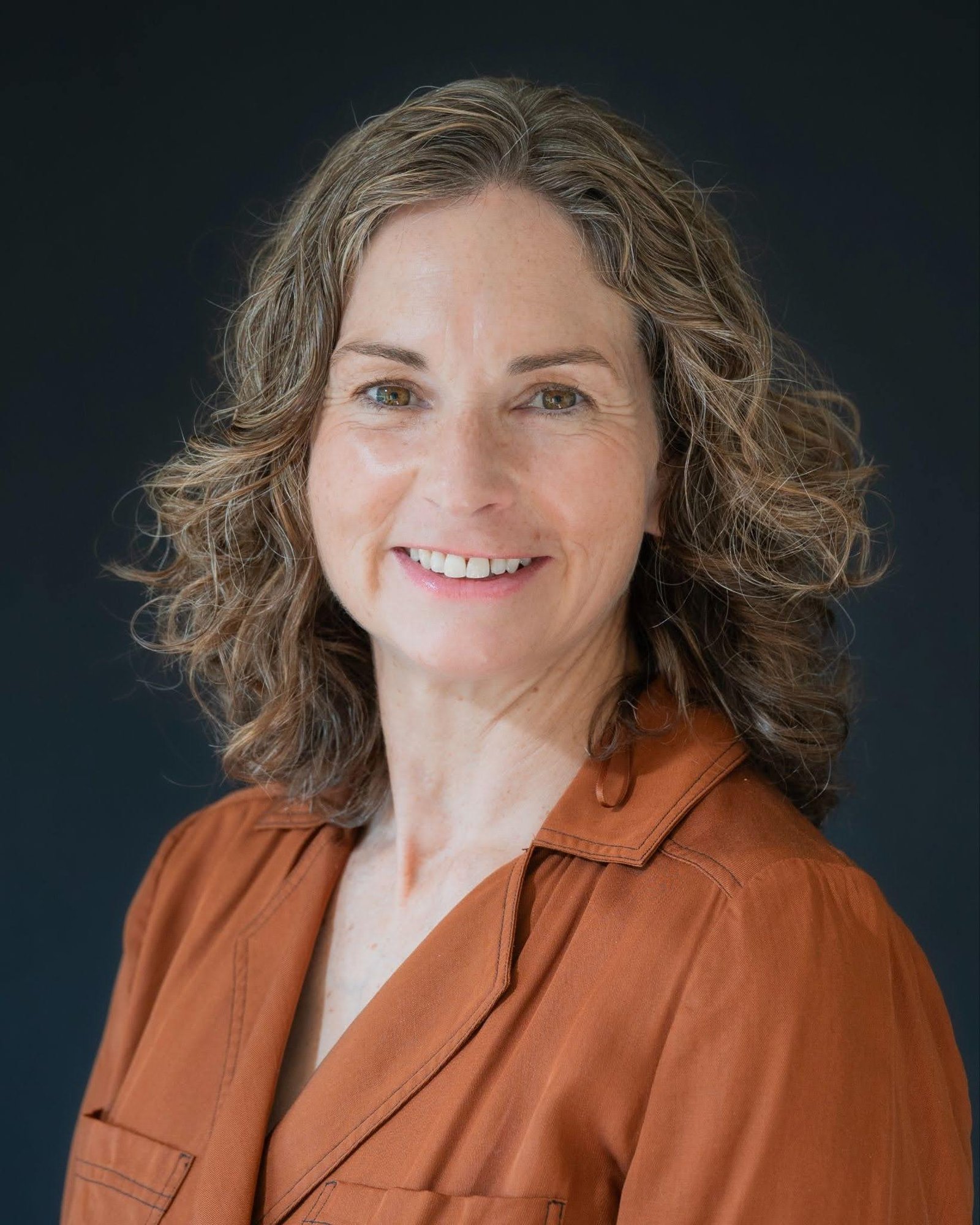
Every incident has more than one thing that caused it to happen. It's not usually about a single point. It might've been a single starting point, but how you got there is where the real work needs to happen.
- Natalee Johnston
About this session
An aircraft's black box records almost everything: crew conversations, flight path, every input in the cockpit. What it doesn't record is the why, and that's the part most workplace investigations quietly skip.
In this session of the Safety Voices webinar series, host Craig Bleakley sits down with Natalee Johnston to trace that gap back to her own experience in military aviation, from the culture that shaped how her aircrew spoke up, to the organisational failures missed when investigations stop at the first cause they find. Along the way, they get into fear of repercussions, why a just culture isn't the same as a no-blame one, and how the environment someone's working in shapes the decisions they make.
Natalee Johnston is the Royal Australian Navy's first female pilot, with a career that spans airworthiness, operational planning and safety in military aviation. She now runs Skilful Decisions, working with organisations on the culture and human factors behind incidents in high-pressure environments.
The SHELL model
Natalee draws on the SHELL model, a human factors framework used across aviation to understand how the pieces around a person contribute to error, and adapts it into her own version.
The original four components (software, hardware, environment, liveware) become process, equipment, environment and people, with the individual, or self, still sitting at the centre, shaped by all four at once and held inside a wider culture that shapes decisions and is shaped by them in return.
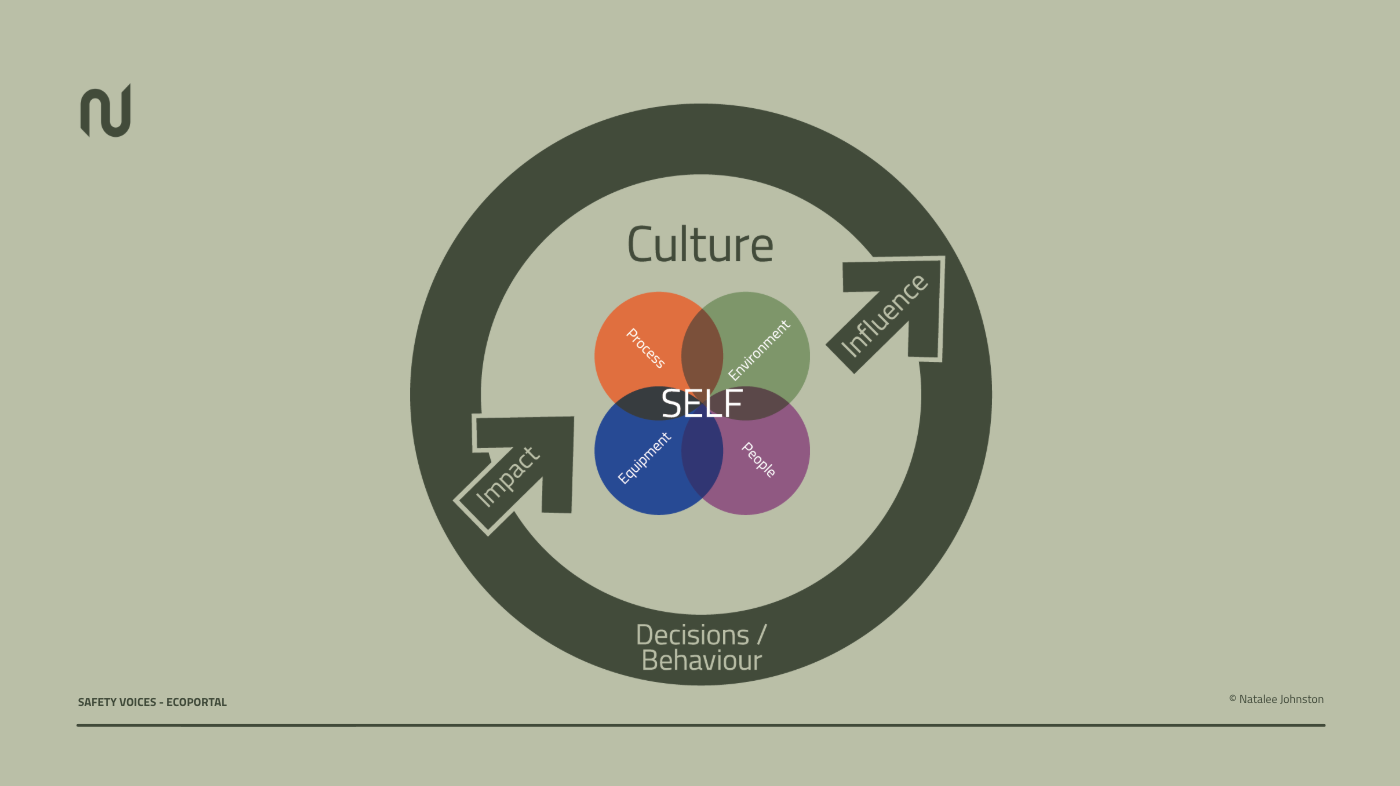
- Process: The procedures, workflows and expectations someone is working within, and whether those hold up under real conditions.
- Environment: Not just the physical space, but the psychosocial one too. Does this person feel safe enough to speak up? Is there bullying? Do they feel like they belong?
- Equipment: Whether the tools and PPE someone's given are actually fit for the job. Equipment that doesn't fit sends its own message.
- People: How the people around someone, from teammates to leaders, influence how they think and behave on any given day.
The rule for investigations: start with self. Ask how these four things affected this person's ability to do their job, on that day, before looking anywhere else.
Attitude + power = performance
Natalee borrows a term straight from the cockpit. In aviation, an aircraft's attitude, its position relative to the horizon, combined with power, determines performance. She applies the same equation to people: how someone feels, plus what they've got in the tank, determines how they'll perform on any given day, and that shows up directly in situational awareness and decision-making.
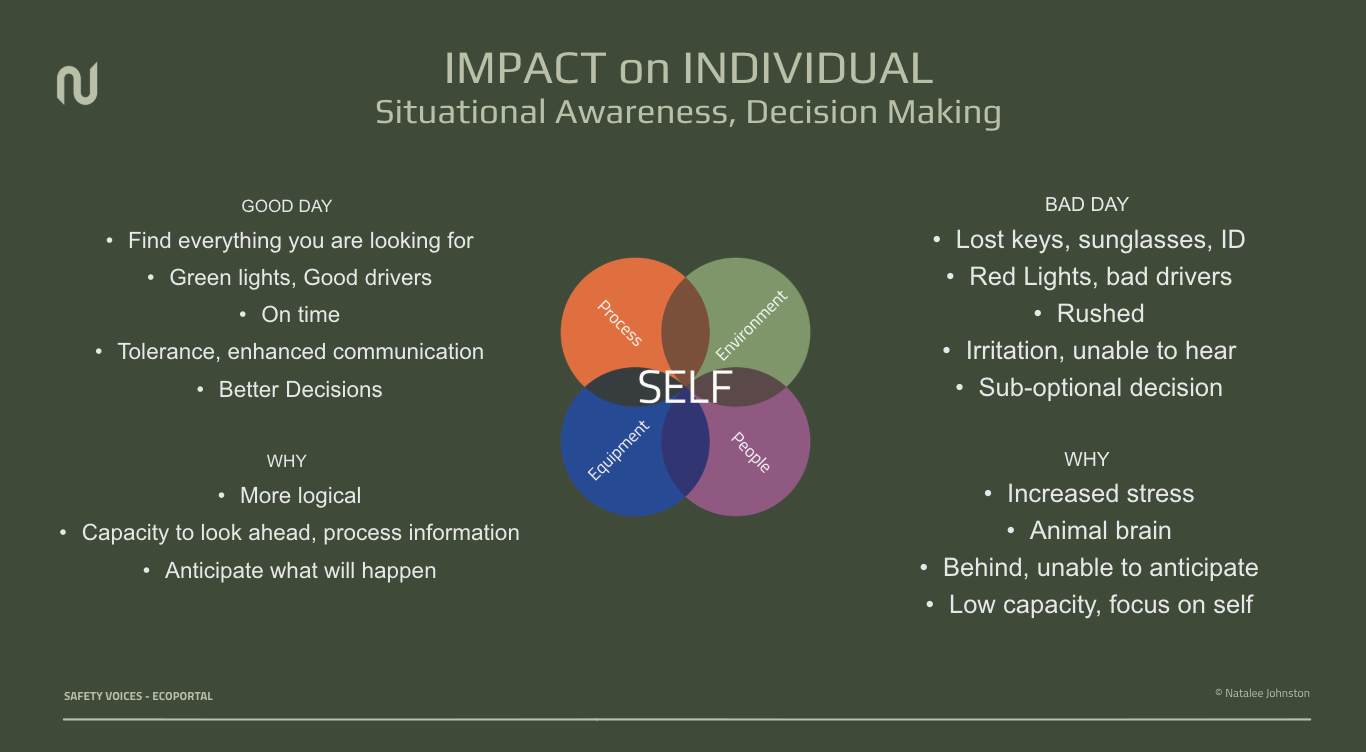
On a good day, people are more logical, with the capacity to look ahead, process information and anticipate what's coming. That shows up as small things (finding what you're looking for, hitting green lights, running on time) and bigger ones (more tolerance, better communication, sharper decisions).
On a bad day, increased stress shifts the brain into a more primal state. People fall behind, lose the ability to anticipate, and operate with lower capacity and a narrower focus on themselves. That shows up as the same small frustrations (lost keys, red lights, bad drivers) compounding into irritation, an inability to hear what's being said, and decisions made with less than the full picture.
Recognising which kind of day someone is having, and giving them permission to name it, is itself a safety practice.
Key takeaways from the session:
1. Ask "what was different today?" instead of chasing a root cause
Natalee isn't a fan of the term "root cause”, since it implies a stopping point once it's found. Her ATSB-based method scales investigation depth to risk, and instead of stopping at the first answer, the better question is what changed between a day nothing went wrong and the day something did.
2. A just culture isn't a no-blame culture
Individuals stay accountable for their decisions. The difference is that the organisation still asks why those decisions made sense at the time, rather than stopping at who made the call and moving on.
3. Independent investigation removes bias you can't see in yourself
Investigating your own business means your own history with the people and the outcome comes along for the ride. A detached, methodical process, without emotional or financial stakes in the result, gets closer to the truth.
4. How leaders respond determines whether people speak up again
A calm response to a flagged concern keeps the door open. A panicked one, or a flood of calls down the chain the moment something's raised, closes it fast, and the next person thinks twice before saying anything at all.
Speaker
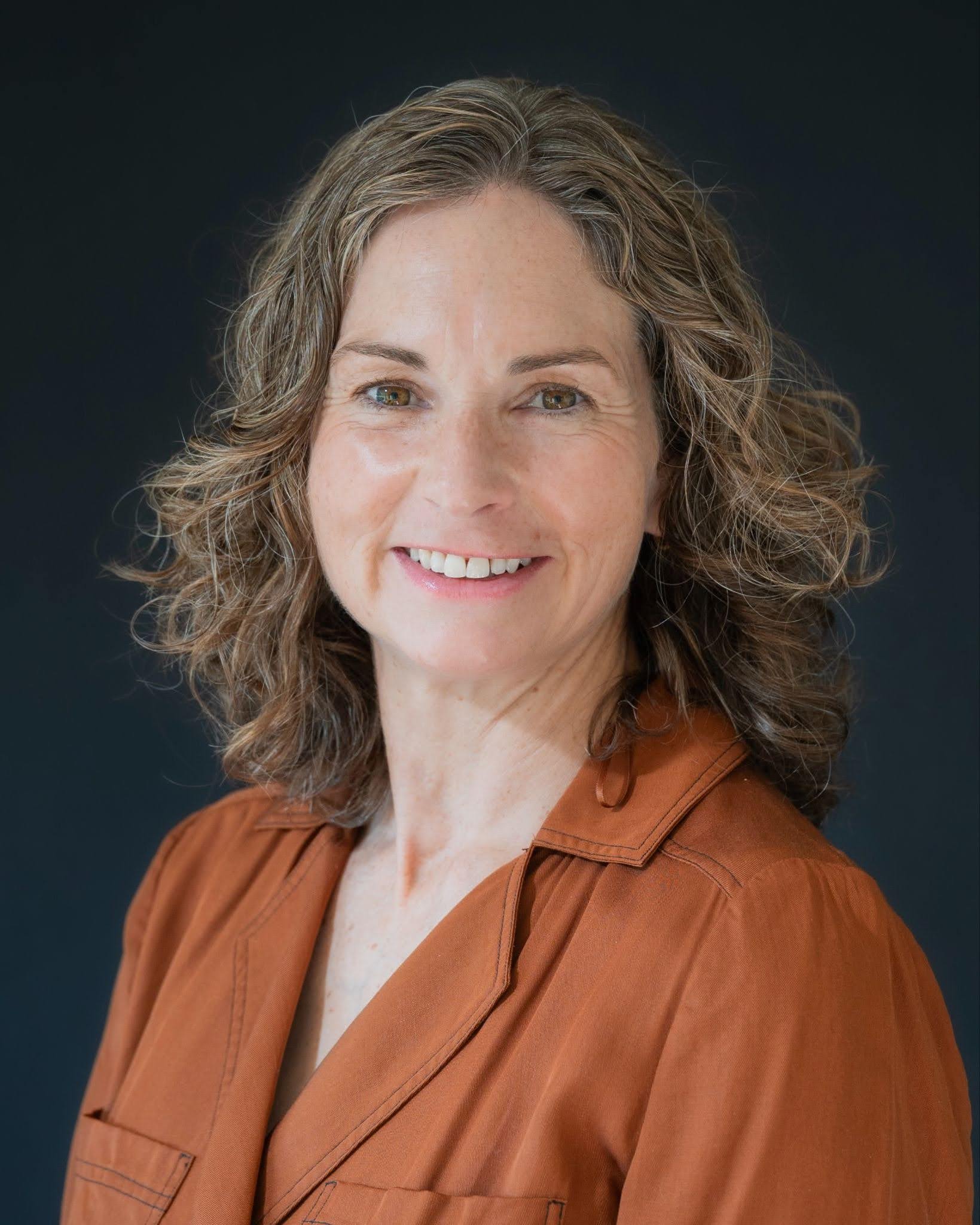
Natalee Johnston
Director | Skilful Decisions
Natalee Johnston became the Royal Australian Navy's first female pilot and built her career in military aviation, working across roles spanning airworthiness, operational planning, and safety. That background shapes her current focus on organisational culture, safety, and the impact of human factors, drawing on real experience in high-consequence, high-pressure environments. She also works to increase diversity within aviation and support the next generation of scientists and aviators entering the field. She holds a Masters in Business, a Bachelor of Science in Physics, and a Diploma of Quality Auditing.
Watch our webinars
Learn the latest and greatest health and safety strategies from global industry leaders.

Our Partners
We partner with a range of innovative health and safety organisations to bring you expert insights into the most pressing topics concerning health and safety today
All webinars

.png?width=352&name=Workplace%20Fatalities%20Understanding%20the%20Family%20Impact%20and%20Communicating%20Better%20(1).png)