
.png)
.jpg)
.jpg)
.png)
%20(1).jpg)
.png?width=352&name=How%20to%20De-escalate%20an%20Aggressive%20Customer%20(1).png)

Designing Workplaces to Support Psychosocial Safety

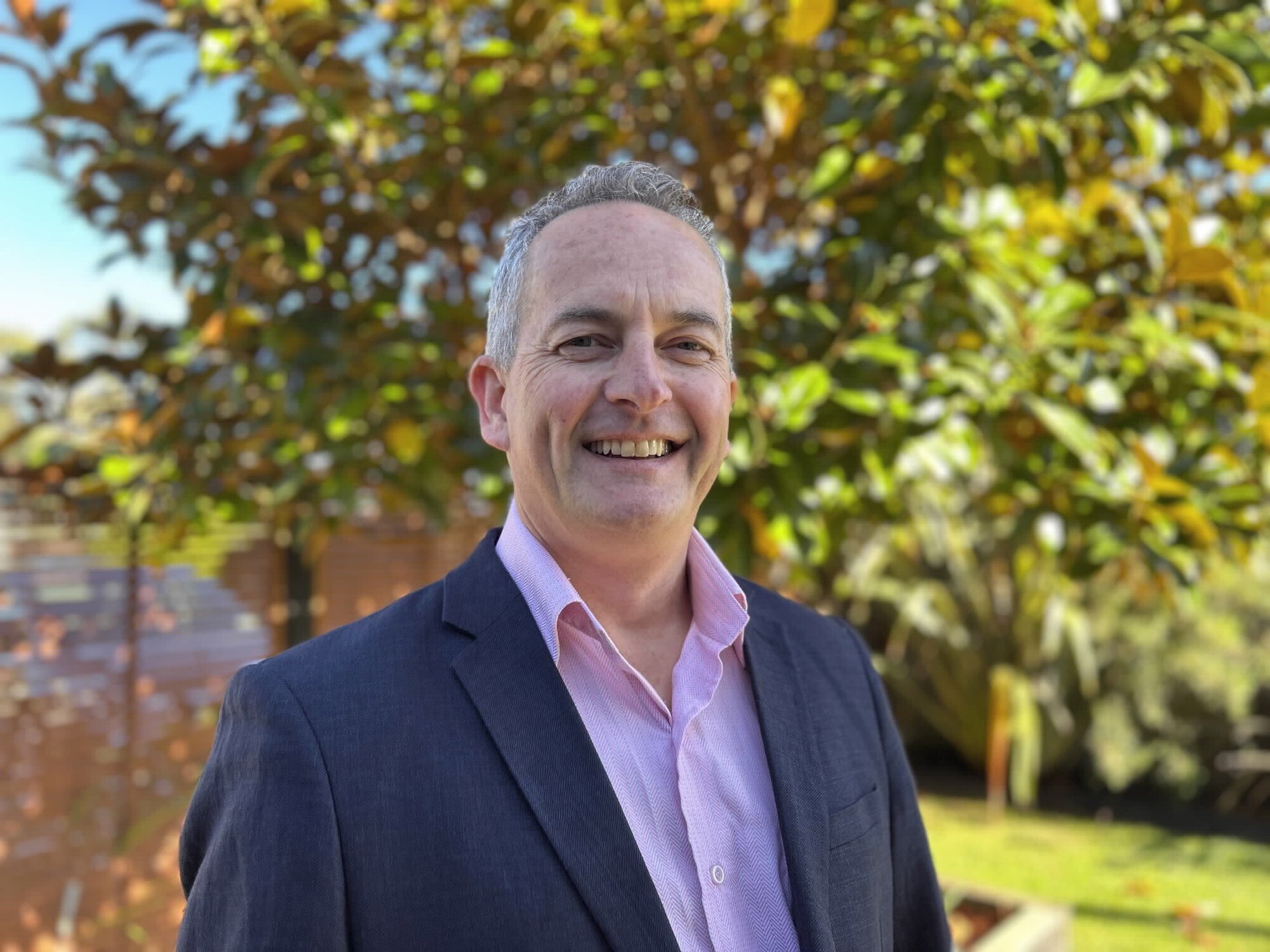
Relationships are the foundation of mentally healthy work. If you feel like you can have those conversations with a leader and there is good worker engagement, you're halfway there.
- Vanessa Cooper
About this Session
As awareness grows around psychosocial hazards, many industries are recognising the critical need to address issues like unbalanced job demands, low role clarity, and poor organisational design. If left unmanaged, these risks undermine trust, drive burnout, and compromise overall safety. Yet, for many health and safety leaders, the challenge lies in bringing psychosocial safety out from the "HR umbrella" and into day-to-day risk management operations.
In this session of the Safety Voices webinar series, Vanessa Cooper, Principal Advisor at WorkSafe New Zealand, and Terry Buckingham, Wellbeing Lead at ASB Bank, unpack what it actually takes to embed psychosocial risk management into everyday practice. From navigating regulatory guidelines to implementing practical controls on the frontline, they explore how to shift from merely treating symptoms to designing workplaces that actively protect people.
The Three Clusters of Psychosocial Risk
During the session, Vanessa shares WorkSafe's framework, which breaks psychosocial hazards down into three distinct, interconnected clusters:
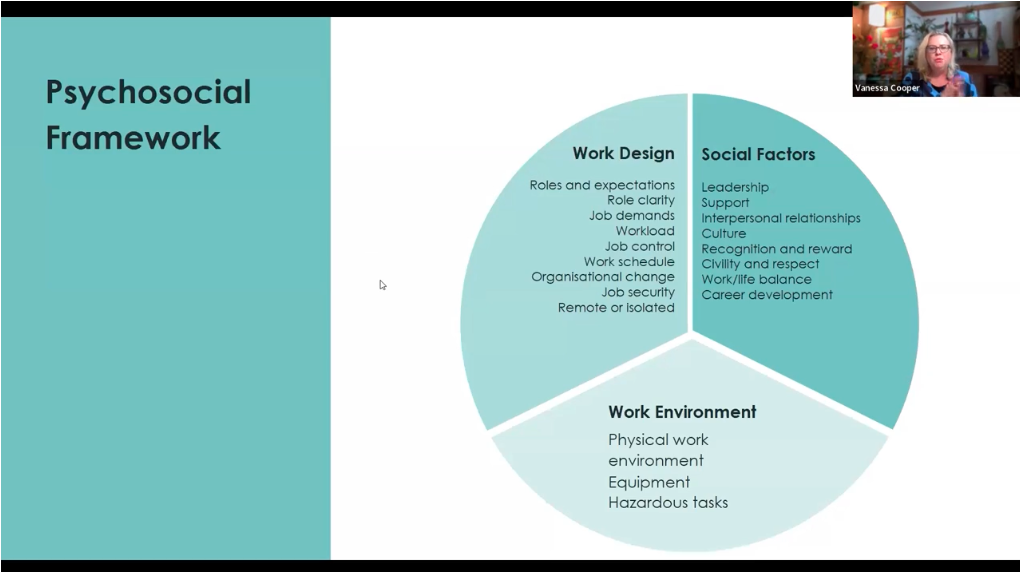
- Work design: This includes role clarity, job expectations, the level of control or autonomy people have over their workflow, and work scheduling.
- Social factors: This focuses on workplace relationships, covering who you work with, how you collaborate, and the level of support provided by leadership.
- Physical environment: Psychosocial safety is also shaped by physical surroundings, such as the amenities provided, noise levels, and lighting.
Together, these elements illustrate that a psychosocial risk is simply a person in interaction with their work environment.
Moving from Reactive Support to Work Design
The dualism of mind and body is a thing of the past, yet many organisations still get stuck in a reactive "whack-a-mole" space, only intervening or offering EAP support after the harm occurs.
Vanessa and Terry advocate for shifting focus to the top of the hierarchy of controls: elimination through better work design. Just as an organisation wouldn't drop a heavy new piece of machinery onto the factory floor without a risk assessment, they shouldn't introduce new, high-pressure workloads or structural changes without assessing the psychosocial impact on the team.
Key Takeaways from The Session
1. Focus on mentally healthy work, not just healthy individuals
Instead of trying to "fix" people so they can endure stressful environments, focus on the work itself. By designing work properly; clarifying roles, managing demands, and giving teams a sense of agency over their tasks, organisations can build an environment where people naturally thrive.
2. Treat new workloads like new machinery
Don't wait for an incident to assess psychosocial hazards. When organisational changes happen or new demands are introduced, proactively run a risk assessment. Identify the impact on the team and involve them in deciding how the work should be managed before the pressure hits.
3. Start small and avoid the scattergun approach
It's easy to sleepwalk into trouble by either doing nothing or trying to solve every organisational risk at once. Instead of overwhelming the business with massive, complex plans, pick the top one or two relevant risks for your specific environment, like workload or external aggression, and manage them well.
4. Redefine the 'why' behind mental wellbeing
For too long, the justification for psychosocial safety is often tied to return on investment and productivity metrics. But safety is fundamentally about protecting people. When organisations shift the dial and focus genuinely on keeping people safe and supported, trust is built, and the productivity benefits naturally follow.
Speakers

Vanessa Cooper
Principal Advisor Mentally Healthy Work at WorkSafe NZ
Vanessa Cooper is the Principal Advisor at WorkSafe New Zealand Mahi Haumaru (Aotearoa), the primary health and safety regulator. Her focus is on psychosocial risk management, Mentally Healthy Work, with the goal of making psychosocial risks better understood and incorporated into risk management processes.
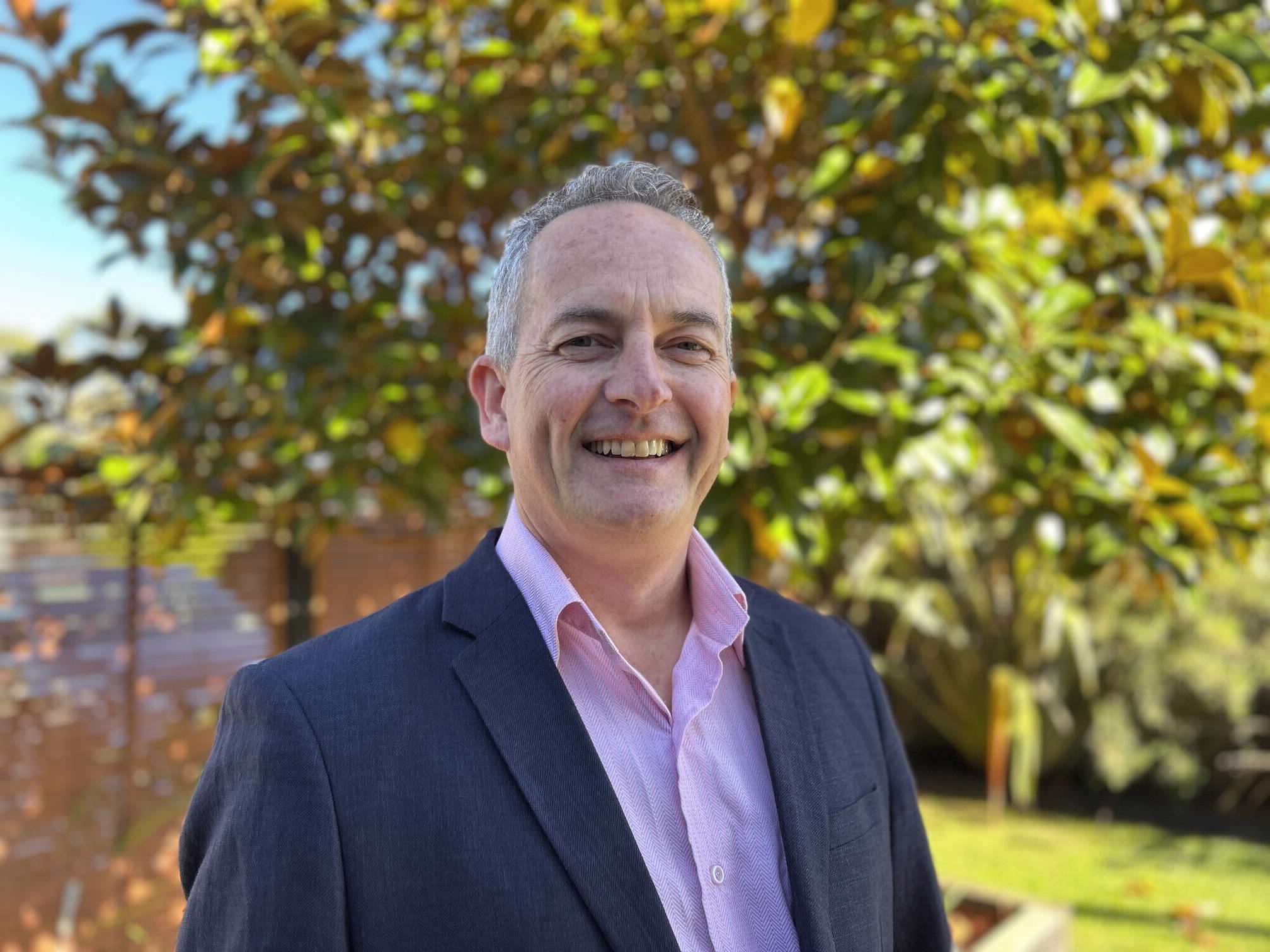
Terry Buckingham
Wellbeing Lead at ASB Bank
Terry Buckingham is the Wellbeing Lead at ASB Bank, where he designs and leads the strategy for protecting the wellbeing of 6,000 employees. He enhanced ASB’s commitment to duty of care, helping to engage their teams through practical tools and information related to psychosocial risks.
ecoPortal past webinars
Learn the latest and greatest health and safety strategies from global industry leaders.

Our Partners
We partner with a range of innovative health and safety organisations to bring you expert insights into the most pressing topics concerning health and safety today
All webinars

.jpg?width=352&name=_From%20Unsafe%20to%20Engaged%20Leading%20Safety%20on%20the%20Retail%20Frontline%20(2).jpg)